

Inverto Parabolic LNB Head
The Inverto satellite dish LNB category includes models for one, two, four or eight tuners, multiswitch networks, reception from two satellites and Unicable systems. The appropriate type must be selected according to the number of satellites, the number of tuners, the coaxial cabling and the signal distribution method. Read more...
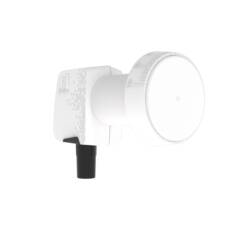
• DVB-S2 (HDTV) compatible
• Impedance: 75 Ω
• Input frequency range: 10.7-12.75 GHz
• Low band LO frequency: 9.75 GHz
• High band LO frequency: 10.6 GHz
• Output frequency low band: 950-2150 MHz
• Current consumption: max. 95 mA
• Output connector type: F-type (female)
• For connecting one indoor satellite receiver unit


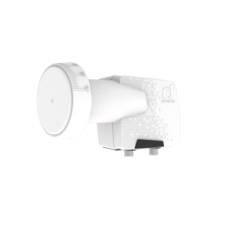
• DVB-S2 (HD and UHD) compliant
• Impedance: 75 Ω
• Input frequency range: 10.7-12.75 GHz
• Low band LO frequency: 9.75 GHz
• High band LO frequency: 10.6 GHz
• Output frequency low band: 950-2150 MHz
• Current consumption: max. 120 mA
• Output connector type: F-type (female)
• For connecting two indoor satellite receiver unit
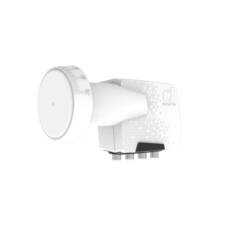
• DVB-S2 (HD and UHD) compliant
• Impedance: 75 Ω
• Input frequency range: 10.7-12.75 GHz
• Low band LO frequency: 9.75 GHz
• High band LO frequency: 10.6 GHz
• Output frequency low band: 950-2150 MHz
• Current consumption: max. 120 mA
• Output connector type: F-type (female)
• Multiswitch for connecting multiple indoor satellite receivers
• DVB-S2 (HD and UHD) compliant
• 4 indoor units can be served
• 1 satellite reception
• Impedance: 75 Ω
• Input frequency range: 10.7-12.75 GHz
• Low band LO frequency: 9.75 GHz
• High band LO frequency: 10.6 GHz
• Output frequency low band: 950-2150 MHz
• Current consumption: max. 120 mA
• Output connector type: F-type (female)
• 4G/LTE protected
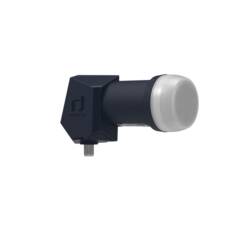
• DVB-S2 (HD and UHD) compliant
• 1 indoor units can be served
• 1 satellite reception
• Impedance: 75 Ω
• Input frequency range: 10.7-12.75 GHz
• Low band LO frequency: 9.75 GHz
• High band LO frequency: 10.6 GHz
• Output frequency low band: 950-2150 MHz
• Current consumption: max. 100 mA
• Output connector type: F-type (female)
• 4G/LTE protected
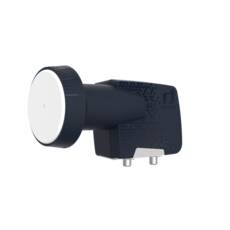
• DVB-S2 (HD and UHD) compliant
• 2 indoor units can be served
• 1 satellite reception
• Impedance: 75 Ω
• Input frequency range: 10.7-12.75 GHz
• Low band LO frequency: 9.75 GHz
• High band LO frequency: 10.6 GHz
• Output frequency low band: 950-2150 MHz
• Current consumption: max. 120 mA max.
• Output connector type: F-type (female)
• 4G/LTE protected
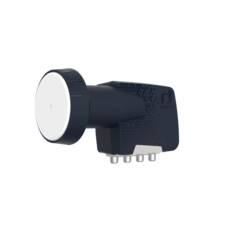
• DVB-S2 (HD and UHD) compliant
• It can serve a wide range of indoor units using Multiswitch
• 1 satellite reception
• Impedance: 75 Ω
• Input frequency range: 10.7-12.75 GHz
• Low band LO frequency: 9.75 GHz
• High band LO frequency: 10.6 GHz
• Output frequency low band: 950-2150 MHz
• Current consumption: max. 240 mA max.
• Output connector type: F-type (female)
• 4G/LTE protected
• DVB-S2 (HD and UHD) compliant
• It can serve 4 indoor units
• 1 satellite reception
• Impedance: 75 Ω
• Input frequency range: 10.7-12.75 GHz
• Low band LO frequency: 9.75 GHz
• High band LO frequency: 10.6 GHz
• Output frequency low band: 950-2150 MHz
• Current consumption: 120 mA max.
• Output connector type: F-type (female)
• 4G/LTE protected
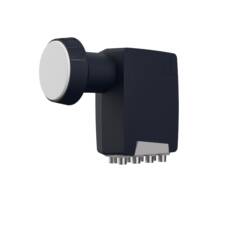
• DVB-S2 (HD and UHD) compliant
• It can serve 8 indoor units
• 1 satellite reception
• Impedance: 75 Ω
• Input frequency range: 10.7-12.75 GHz
• Low band LO frequency: 9.75 GHz
• High band LO frequency: 10.6 GHz
• Output frequency low band: 950-1950 MHz
• Current consumption: 210 mA max. @ 11 VDC ~ 20 VDC
• Output connector type: F-type (female)
• 4G/LTE protected

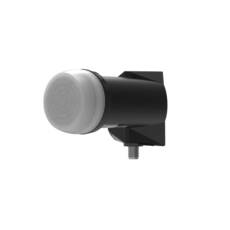
• DVB-S2X compliant supporting Ultra HD (4K and 8K) TV
• It can serve 1 indoor units
• 1 satellite reception
• Impedance: 75 Ω
• Low band input frequency range10.7 GHz ~ 11.7 GHz
• Low band LO frequency: 9.75 GHz
• High band LO frequency: 10.6 GHz
• Low band output frequency range: 950 MHz ~ 1950 MHz
• Current consumption: 100 mA max. (10 VDC ~ 20 VDC)
• Output connector type: F-type (female)
• High 4G Immunity
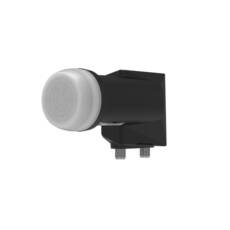
• DVB-S2X compliant supporting Ultra HD (4K and 8K) TV
• It can serve 2 indoor units
• 1 satellite reception
• Impedance: 75 Ω
• Low band input frequency range10.7 GHz ~ 11.7 GHz
• Low band LO frequency: 9.75 GHz
• High band LO frequency: 10.6 GHz
• Low band output frequency range: 950 MHz ~ 1950 MHz
• Current consumption: 150 mA max. (10 VDC ~ 20 VDC)
• Output connector type: F-type (female)
• High 4G Immunity
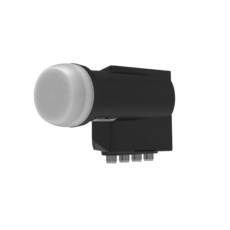
• DVB-S2X compliant supporting Ultra HD (4K and 8K) TV
• It can serve a wide range of indoor units using Multiswitch
• 1 satellite reception
• Impedance: 75 Ω
• Low band input frequency range10.7 GHz ~ 11.7 GHz
• Low band LO frequency: 9.75 GHz
• High band LO frequency: 10.6 GHz
• Low band output frequency range: 950 MHz ~ 1950 MHz
• Current consumption: 230 mA max. (10 VDC ~ 20 VDC)
• Output connector type: F-type (female)
• High 4G Immunity
• DVB-S2X compliant supporting Ultra HD (4K and 8K) TV
• It can serve 4 indoor units using Multiswitch
• 1 satellite reception
• Impedance: 75 Ω
• Low band input frequency range10.7 GHz ~ 11.7 GHz
• Low band LO frequency: 9.75 GHz
• High band LO frequency: 10.6 GHz
• Low band output frequency range: 950 MHz ~ 1950 MHz
• Current consumption: 200 mA max. (10 VDC ~ 20 VDC)
• Output connector type: F-type (female)
• High 4G Immunity
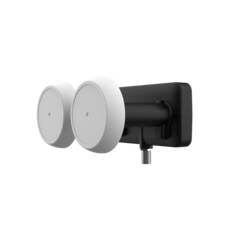
• Consists of two independent LNBs in a single housing
• Allows the user to receive signals from two different satellites in slightly different orbital positions (switching between satellites is achieved using DiSEqC signals or Toneburst (Mini DiSEqC))
• DVB-S2 (HDTV) compliant
• Impedance: 75 Ω
• Input frequency lower band: 10.7-11.7 GHz
• Input frequency upper band: 11.7-12.75 GHz
• Output frequency lower band: 950-1950 MHz
• Current consumption: max. 120 mA per port (10 VDC ~ 20 VDC)
• Output connector type: F-type (female)
• Recommended parabolic antenna size: 80 cm (F/D = 0,6)
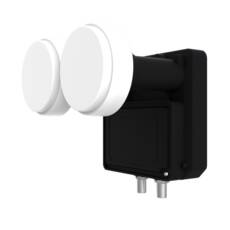
• Designed to receive up to 2 satellites and distribute their signals independently
• 2 outputs
• DVB-S2 (HDTV) compatible
• Impedance: 75 Ω
• Input frequency lower band: 10,7-11,7 GHz
• Input frequency upper band: 11,7-12,75 GHz
• Output frequency lower band: 950-1950 MHz
• Current consumption: max. 150 mA per port (10 VDC ~ 20 VDC)
• Output connector type: F-type (female)
• Recommended parabolic antenna size: 75 - 85 cm (F/D = 0,6)
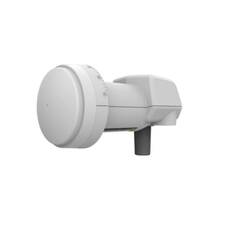
• HDTV-DVBS2compliant
• This Unicable II LNB enables installations with up to 32 satellite receivers connected over a single coax cable
• Impedance: 75 Ω
• Low band input frequency range10.7 GHz ~ 11.7 GHz
• Low band LO frequency: 9.75 GHz
• High band LO frequency: 10.6 GHz
• Low band output frequency range: 950 MHz ~ 1950 MHz
• Current consumption: 400 mA max. 13.5 V
• Output connector type: F-type (female)
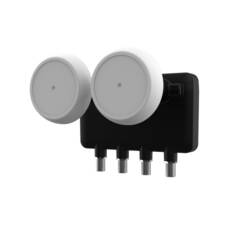
• Designed to receive up to 2 satellites and distribute their signals independently
• 4 outputs
• DVB-S2 (HDTV) compatible
• Impedance: 75 Ω
• Input frequency lower band: 10,7-11,7 GHz
• Input frequency upper band: 11,7-12,75 GHz
• Output frequency lower band: 950-1950 MHz
• Current consumption: max. 180 mA per port (10 VDC ~ 20 VDC)
• Output connector type: F-type (female)
• Recommended parabolic antenna size: 80cm (F/D = 0,6)
Inverto satellite dish LNBs for satellite reception systems
The Home Pro, Black Premium, Black Ultra and Essential product ranges are designed for receiving Ku-band satellite signals. The Universal models have an input frequency range of 10.7-12.75 GHz and an output frequency range of 950-2150 MHz. The low-band LO frequency is 9.75 GHz, while the high-band LO frequency is 10.6 GHz. The output impedance is 75 ohms, and the connection is provided through an F-type socket. The Black Premium and Black Ultra ranges are designed for 40 mm LNB holders.
Which Inverto LNB suits your satellite dish?
The Single version provides one independent output, the Twin version provides two, the Quad version provides four, and the Octo version provides eight. Quattro models are intended for supplying several receivers through a multiswitch. Monoblock versions are designed for receiving signals from two satellites, while the Unicable II model is intended for multi-receiver systems using a single coaxial cable.
- Single: one set-top box or one tuner.
- Twin: two set-top boxes or one dual-tuner PVR.
- Quad: four independent tuners.
- Octo: eight independent tuners.
- Quattro: multiswitch-based signal distribution.
The required number of outputs must be determined according to the total number of tuners in the system.
Universal Single LNB and Universal Twin LNB for one or two receivers
The Home Pro Single can be used with one satellite receiver and has a maximum current consumption of 95 mA. The Home Pro Twin is designed for two receivers. The Black Premium Single and Twin supply one or two receivers respectively and include 4G/LTE protection. The Twin Essential can be used with two receivers or one dual-tuner PVR and supports DVB-S2, HDTV and UHD.
When should you choose a Universal Quad LNB or Octo LNB?
The Home Pro Quad, Black Premium Quad and Black Ultra Quad can be used with four independent tuners. The Black Ultra Quad can supply four separate receivers or two set-top boxes with two tuners each. The Black Premium Octo provides eight outputs. Each tuner requires a separate coaxial cable and a separate F-type LNB output.
Universal Quattro LNB and multiswitch-based signal distribution
The Home Pro Quattro, Black Premium Quattro and Black Ultra Quattro models are designed to distribute the signal of one satellite through a multiswitch. The four outputs of the Quattro version transmit the satellite bands and polarisation signals to the multiswitch. Four coaxial connections are required between the LNB and the multiswitch.
What are the differences between Home Pro, Black Premium, Black Ultra and Essential LNBs?
The Home Pro range includes Single, Twin, Quad and Quattro versions with a design intended to reduce 4G/LTE interference. The Home Pro Single has a typical noise figure of 0.3 dB and a conversion gain of at least 55 dB. The Black Premium range includes Single, Twin, Quad, Quattro and Octo models. The Single version has a typical noise figure of 0.2 dB and a gain of at least 56 dB. The Black Ultra Single, Twin, Quad and Quattro models support DVB-S2X, 4K and 8K Ultra HD and provide high 4G immunity. The Black Ultra Single has a gain of 60-70 dB. The Essential Twin can be used with two receivers or one dual-tuner PVR.
Inverto Monoblock LNB for receiving two satellites
The Single Monoblock combines two LNBs in one housing. It is designed for receiving the 13 E and 19.2 E orbital positions with an 80 cm satellite dish with an F/D ratio of 0.6 and can be connected to one receiver. Switching is controlled through DiSEqC 1.0 or Toneburst. The Twin Monoblock can be used with two satellites positioned 6 degrees apart and two receivers. The recommended dish size is 75-85 cm. The Quad Monoblock transmits the signals of the 13 E and 19.2 E positions through four outputs and is designed for use with an 80 cm dish.
How can the Unicable II LNB be used with a single coaxial cable?
The Inverto Unicable 2 Legacy LNB is designed for multi-receiver distribution. In dynamic mode, it uses the EN50494 and EN50607 protocols. In static mode, transponder frequencies can be assigned to fixed IF frequencies. The receivers and the components of the distribution network must support the selected protocol.
F connector, frequency range and control signals
The low-band input range of the Universal LNB models is 10.7-11.7 GHz, while the high-band input range is 11.7-12.75 GHz. The low-band output range is 950-1950 MHz, and the high-band output range is 1100-2150 MHz. The Home Pro Single uses a control voltage of 11.0-14.0 V for vertical polarisation and 16.0-20.0 V for horizontal polarisation. The band-switching signal is 22 kHz with a level of 0.4-0.8 Vpp.
- Low-band LO frequency: 9.75 GHz.
- High-band LO frequency: 10.6 GHz.
- Output impedance: 75 ohms.
- Output connector: F-type socket.
- Black Premium typical cross-polarisation isolation: 23 dB.
The noise figure, gain, current consumption and operating temperature vary by model.
What should be considered when installing an Inverto satellite dish LNB?
The LNB and satellite dish must be installed by a qualified satellite antenna installer. Installation must not be carried out during storms or extreme weather conditions. The coaxial cable must first be connected to the LNB and then to the receiver. The skew angle must be adjusted using a satellite signal meter or the measurement display of the receiver.
- Place the LNB in the holder and adjust the skew angle.
- After determining the correct position, secure the clamp.
- Install the F plug and ensure that the shielding does not touch the inner conductor.
- Screw the F plug onto the LNB socket and position the protective rubber boot.
The F plug is available separately. When preparing the cable, stripping dimensions of 10 mm and 7 mm must be followed.
Advantages and limitations of Inverto LNBs
Advantages:
- Single, Twin, Quad, Quattro and Octo versions.
- Monoblock models for receiving two satellites.
- Unicable II model for distribution through one coaxial cable.
- 4G/LTE protection or high 4G immunity on the specified product ranges.
- DVB-S2X, 4K and 8K support on the Black Ultra range.
Limitations:
- The number of directly connectable tuners is determined by the number of outputs.
- The Quattro version is designed for multiswitch-based systems.
- For Monoblock models, the satellite positions and dish size must be checked.
- Unicable operation requires a compatible receiver.
The selection is determined by the satellite positions, tuner requirements, cabling and signal distribution method.
Frequently asked questions about Inverto LNBs
- How many receivers can be connected?
The Single version provides one independent output, the Twin provides two, the Quad provides four, and the Octo provides eight. The Quattro supplies several receivers through a multiswitch. - Which holder is required?
The Black Premium and Black Ultra models are designed for 40 mm LNB holders. - When should a Monoblock LNB be selected?
The Monoblock version can be used to receive signals from two satellites. The distance between the satellite positions and the dish size must also be checked. - What is the difference between Quad and Quattro?
The Quad version can be connected to four independent tuner inputs, while the Quattro version is designed for multiswitch-based distribution.
The frequency specifications and installation requirements of the selected model must also be checked.
Summary of selecting an Inverto satellite dish LNB
Single, Twin, Quad and Octo models supply a fixed number of tuners. Quattro models are designed for multiswitch networks, Monoblock models for receiving two satellites, and Unicable II models for distribution through a single coaxial cable. We recommend checking the tuner requirements, dish size, holder, DiSEqC control and cabling together before selecting a model.