
- Special Offers
- Transceiver Radio
- Walkie-Talkies
- CB Radios
- Two-Way Transceiver Radio
- Icom Handheld Two-Way Transceiver Radio
- Icom Mobile Two-Way Transceiver Radio
- Motorola MotoTRBO Portable Digital Two-Way Transceiver Radio
- Motorola MotoTRBO Mobile Digital Two-Way Transceiver Radio
- Two-Way Radio Dispatcher System for Motorola Digital Radio
- Entel Two-Way Transceiver Radio
- Hytera Portable Two-Way Transceiver Radio
- Hytera Mobile Two-Way Transceiver Radio
- Two-Way Radio Repeater
- ATEX Intrinsically Safe Radio
- POC Radios
- Amateur Radio
- Communication Receiver
- Aviation Radio
- Marine Radio
- AIS Transponder
- Marine Radar
- Satellite Phone
- WiFi Two-Way Radio
- TourGuide System
- Data Transceiver
- Transceiver Accessory
- Antennas
- Antenna Accessory
- Fiber Optics
- Cable
- Connector
- Installation Material
- Installation Tools
- Measuring Equipement
- Body Worn Camera
- Electrosmog
- Telephone
- Baby Monitor
- Fever Thermometer
- Radio Device
- Set-top Boxes
- Personal Protective Equipment
- Motorcycle Helmet Speaker
- Car Equipment
- Voltage Converter
- Dry Cell
- Battery
- Battery Charger
- Emergency Signal
- Amber Signal
- Sound Signal
- Light and Sound Signal Accessory
- Traffic Engineering
- LED Lamp
- Smart Home
- Mosquito Repellent Device
- Market - Other Products
- Discontinued Products
Pre-order (1)
Two-Way Radio Dispatcher System for Motorola Digital Radio
The Motorola digital radio dispatch system provides a central interface for managing voice and data communication within MOTOTRBO radio networks. Dispatchers can initiate individual and group calls, manage messages, monitor radio locations, and receive events and emergency alerts. Read more...
Pre-order (1)
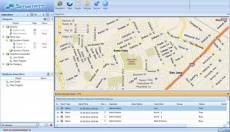
• SmartPTT dispatcher software for Motorola digital radios system
• GPS tracking and AVL functionality
• Indoor tracking with optional indoor tracking device
• Smartphone integration
• Direct IP connection, repeater status and programming
• Server - client structure
• Opcionális licenszkulcsokkal további funkciókkal illetve felhasználókkal bővíthető a szoftver
• The Enterprise version includes 1 pc dispatcher console, 1 pc radioserver, 10 pcs subscriber licenses, 1 year update subscription
• The price doesn't include the education and the configuration cost of the software!


Motorola digital radio dispatch system for centralized communication
The UHF dispatch system uses a server-client architecture and can be deployed in radio networks of different sizes and topologies. MOTOTRBO repeaters can also be connected directly via IP without requiring control stations.
How does a Motorola UHF dispatch system work?
The dispatch console supports individual calls, group calls, radio ID-based calls and incoming event management. Pre-recorded voice messages and audio alerts can be transmitted, while customizable control panels provide quick access to frequently used functions.
DMR dispatch with voice, text and data communication
In addition to voice communication, the system manages text messages, emails and SMS communication between the dispatch console, radios, talk groups and smartphones. Voice and event logging can be used to store communication data and reconstruct events afterwards.
How can GPS and indoor location tracking be used?
GPS tracking can display radio users on a map, while indoor tracking can be implemented with optional beacon devices in buildings where GPS positioning is unavailable. A web client provides browser-based access to subscriber location information.
Radio fleet management, job ticketing and telemetry
Fleet management supports the administration of individual subscribers and groups, together with configurable rules and alerts. Job Ticketing can be used to create, assign and monitor work tasks. Telemetry enables event signalling and device control through the GPIO connections of mobile radios.
Which emergency functions can the dispatch workstation manage?
The dispatcher can receive alerts when a radio emergency button is activated, a Man Down event occurs or a Lone Worker timer expires. The system also supports location-based monitoring of hazardous areas and tracking of radio users in both outdoor and indoor environments.
Radio communication monitoring and network interconnection
Network monitoring can display infrastructure topology and coverage maps in real time. Different radio networks can be interconnected for interoperability or system migration. Optional functions include telephone interconnection, mobile client access, SCADA integration and IP camera integration.
FAQ about Motorola digital radio dispatch systems
- Can individual and group calls be managed?
Yes. The dispatch console supports both call types. - Is GPS tracking available?
Yes. GPS-based map display and indoor tracking are supported. - Can communication events be logged?
Yes. Voice and event logging can be used for data storage and retrieval. - Can the system be expanded?
Yes. Additional functions and users can be added with optional licences.
Summary: centralized UHF radio dispatch communication
The Motorola digital radio dispatch system combines centralized management of voice and data traffic, location tracking, fleet management, emergency alerts, telemetry and network monitoring. Its server-client architecture and network interconnection functions also support the management of multi-site radio communication systems.