

- Special Offers
- Transceiver Radio
- Transceiver Accessory
- Antennas
- Antenna Accessory
- Fiber Optics
- Cable
- Connector
- Installation Material
- Self Vulcanizing Tape
- Duct Tape
- Reflective Tape
- Adhesive Tape
- Shrink Tube
- Superglue
- Glass Fuse
- Toggle Switch
- Installation Tools
- Measuring Equipement
- Body Worn Camera
- Electrosmog
- Telephone
- Baby Monitor
- Fever Thermometer
- Radio Device
- Set-top Boxes
- Personal Protective Equipment
- Motorcycle Helmet Speaker
- Car Equipment
- Voltage Converter
- Dry Cell
- Battery
- Battery Charger
- Emergency Signal
- Amber Signal
- Sound Signal
- Light and Sound Signal Accessory
- Traffic Engineering
- LED Lamp
- Smart Home
- Mosquito Repellent Device
- Market - Other Products
- Discontinued Products
Pre-order (1)
Glass Fuse
A glass fuse is a type of cartridge fuse designed to protect electrical circuits against overcurrent. During operation, the fuse element melts when the current exceeds its rated value, interrupting the electrical circuit and preventing further current flow. The transparent glass tube allows visual inspection of the fuse element, making it easy to identify a blown fuse. Our range includes glass fuses with different current ratings, voltage ratings, and operating characteristics, allowing you to select the appropriate fuse for your application. Read more...
Pre-order (1)
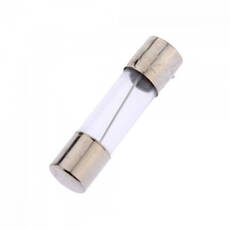
• Dimensions: 6.4 mm x 30 mm
• 7.5 Ah


• Dimensions: 6.4 mm x 30 mm
• 10 Ah
• Dimensions: 6.4 mm x 30 mm
• 15 Ah
Glass Fuse – A Fundamental Component for Overcurrent Protection
A glass fuse is one of the most common types of cartridge fuses used for electrical circuit protection. Its purpose is to interrupt the circuit in the event of excessive current or a short circuit. This interruption occurs when the fuse element melts. The glass enclosure protects the fuse element while allowing its condition to be visually inspected. Glass fuses are widely used in electrical and electronic equipment where a replaceable overcurrent protection device is required.
What Is the Purpose of a Glass Fuse?
The primary function of a glass fuse is to disconnect an electrical circuit whenever the current exceeds the fuse's rated value. Under these conditions, the fuse element heats up and melts, opening the circuit. Once operated, the fuse must be replaced with a new one having the appropriate specifications.
- Overcurrent protection
- Circuit interruption in the event of a short circuit
- Replaceable fuse element
- Transparent housing for visual inspection
The appropriate glass fuse should always be selected according to the specifications required by the equipment.
Construction and Operating Principle of a Glass Fuse
A glass fuse consists of a glass tube, metal end caps, and a fuse element positioned between them. Under normal operating conditions, the fuse element carries the electrical current. If excessive current flows, the fuse element melts, interrupting the circuit. The transparent glass body makes it possible to visually inspect the condition of the fuse element.
Fast-Acting Glass Fuse
Fast-acting fuses are intended for applications where rapid interruption of excessive current is required.
Time-Delay Glass Fuse
Time-delay fuses are designed to withstand short-duration inrush currents while interrupting the circuit during sustained overcurrent conditions.
Rated Current, Rated Voltage and Selection Criteria
When selecting a glass fuse, important considerations include the rated current, rated voltage, operating characteristic, and physical dimensions. The selected fuse should match the specifications required by the protected equipment.
Applications of Glass Cartridge Fuses
Glass cartridge fuses are commonly found in a wide range of electrical and electronic equipment. They are used wherever a replaceable cartridge fuse is required to provide overcurrent protection.
Fuse Holders and Fuse Cartridges
Glass fuses are installed in fuse holders designed for their corresponding dimensions. The fuse holder provides mechanical retention and electrical connection. When replacing a blown fuse, a cartridge with identical dimensions and electrical ratings should be used.
Advantages and Limitations of Glass Fuses
Advantages
- Visible fuse element for easy inspection
- Replaceable fuse cartridge
- Available in various current ratings and operating characteristics
Limitations
- Must be replaced after operation
- Replacement fuse must have identical specifications
Frequently Asked Questions
- What is the difference between a fast-acting and a time-delay glass fuse?
The two fuse types differ in their operating characteristics. - Can a glass fuse be replaced?
Yes. After the fuse has operated, it should be replaced with a new fuse having the appropriate specifications. - How should I choose a glass fuse?
Selection should be based on the rated current, rated voltage, physical dimensions, and operating characteristic required by the equipment.
Conclusion
A glass fuse is a widely used type of cartridge fuse that protects electrical circuits by interrupting the current when excessive current causes the fuse element to melt. Selecting the correct fuse requires consideration of its rated current, rated voltage, operating characteristic, and physical dimensions. Our product range includes various glass fuse types to help you find the appropriate solution for your application.