


Special Detergent
Special detergent for electrosmog shielding fabrics is intended for the care of shielding textiles containing silver or stainless-steel fibres. This product category is necessary because tests performed with different detergents showed that certain formulations may negatively affect shielding attenuation. The category includes liquid and powder detergents developed for washing shielding fabrics in accordance with the applicable care instructions. Read more...
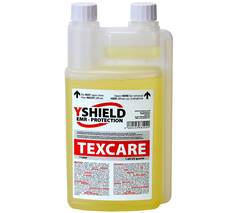
• Special washing detergents for the care of our shielding textiles with silver- and stainless steel threads
• The special recipes developed by us, preserves the shielding fabrics amd achieves the shielding attenuation on washing
• Perfect cleannes and hygiene yet at 30°C
• The only authorized washing detergents we can recommend for all our shielding fabrics.
• Weight:1300 g

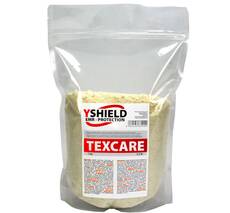
• Special washing detergents for the care of our shielding textiles with silver- and stainless steel threads
• The special recipes preserves the shielding fabrics amd achieves the shielding attenuation on washing
• Perfect cleannes and hygiene yet at 30°C
• Weight: 1,1 kg
Why is special detergent necessary for electrosmog shielding fabrics?
What did washing tests on shielding textiles show?
Washing tests conducted with different detergents showed that certain formulations may adversely affect shielding attenuation. Users of silver-fibre fabrics also reported the development of an unpleasant odour after washing with soap nuts. The special formulations were therefore developed in cooperation with a manufacturer of ecological detergents for the care of shielding textiles.
Maintaining shielding attenuation during washing
The stated objective of developing this product category was to create detergents that do not react with shielding fabrics and preserve shielding attenuation during washing. The category therefore contains formulations intended specifically for this type of textile rather than general-purpose detergents. The type of shielding material and the care label of the textile must both be considered when selecting a suitable detergent.
Which shielding textiles can be washed with special textile detergent?
Care of silver-fibre shielding textiles
The detergents in this category can be used for shielding textiles containing silver fibres. In addition to choosing the correct detergent, the care label of the textile must also be observed. The ironing and drying instructions shown on the label apply to the specific fabric and must therefore be followed during treatment after washing.
How should stainless-steel-fibre shielding fabric be treated?
The documented application range also includes shielding textiles containing stainless-steel fibres. The same general washing conditions apply: a temperature of 30 C, a gentle wash cycle and the dosage specified on the product page of the selected detergent. Ironing and drying must also be carried out in accordance with the care label of the textile.
General washing rules for shielding textiles
Which temperature and wash cycle should be used?
The instructions specify a washing temperature of 30 C and a gentle wash cycle. The detergent can be placed in the detergent compartment or directly into the washing machine drum. The dosage does not need to be adjusted according to water hardness, although the exact quantity must always be determined from the product page of the selected liquid or powder detergent.
Information to check before washing shielding textiles
- Whether the textile contains silver, steel or stainless-steel fibres.
- Which ironing instructions are shown on the care label.
- Which drying instructions are shown on the care label.
- Which dosage is specified on the product page of the selected detergent.
- Whether a 30 C gentle wash cycle can be selected on the washing machine.
The purpose of this check is to ensure that the detergent instructions and the specific care requirements of the textile are followed at the same time. The general information provided for the category does not replace the individual care label of the fabric.
Why should washing, ironing and drying be considered separately?
The detergent instructions define the washing temperature, wash cycle, dosing method and the relationship between dosage and water hardness. Instructions for ironing and drying must be checked on the care label of the shielding textile. The category does not specify any post-washing treatment that differs from the textile's own care instructions.
Selection criteria for special textile detergent
Liquid and powder detergents for shielding fabrics
The category includes both liquid and powder formulations. Both product forms are intended for the care of shielding textiles containing silver and stainless-steel fibres. The exact amount required for each wash and the individual product specifications are provided on the relevant product pages and are therefore not repeated in this category description.
What should be checked on the product page?
The product page specifies the form of the detergent, the required quantity and the available package size. The category page, by contrast, summarises the application range and the general care instructions. Before purchase, the material of the shielding textile, the detergent instructions and the care label of the fabric should be reviewed together.
Advantages of the category
- It contains special formulations developed for shielding textiles.
- The detergents can be used for fabrics containing silver or stainless-steel fibres.
- The instructions specify a gentle wash cycle at 30 C.
- The dosage is independent of water hardness.
The general characteristics of the category help determine whether the shielding textile to be washed belongs to the intended application range.
Which limitations must be considered?
- Not every general-purpose detergent is suitable for preserving shielding attenuation.
- The category description does not override the care label of the textile.
- The exact dosage differs according to product form, so the relevant product page must be checked.
- The textile itself determines the permitted ironing and drying methods.
Both the detergent instructions and the care requirements of the shielding fabric must therefore be followed.
Fragrance-free and colourant-free formulations
Which shared characteristic should be considered?
The documented formulations do not contain fragrances or colourants, and their ingredients are biodegradable. Detailed composition data are provided on the individual product pages and are therefore not repeated in the category description.
Frequently asked questions about special detergents
- Why is a general-purpose detergent not always sufficient?
Washing tests showed that certain detergents may adversely affect shielding attenuation. - Which textiles are covered by this category?
Shielding fabrics containing silver, steel or stainless-steel fibres. - Which washing setting is specified?
A gentle wash cycle at 30 C. - Does the dosage depend on water hardness?
No, the dosage does not need to be adjusted according to water hardness. - Where can the exact dosage be found?
On the product page of the selected detergent. - What determines the permitted ironing and drying methods?
The care label of the specific shielding textile.
The FAQ summarises the general technical and usage information applicable to the category. Detailed parameters for each product form should be checked on the relevant product page.
Summary of detergents for shielding textiles
The role of special detergent in the care of shielding fabrics
Special detergent for electrosmog shielding fabrics is a product category developed for washing textiles containing silver or stainless-steel fibres. The general instructions specify a gentle wash cycle at 30 C, dosage independent of water hardness and compliance with the textile's care label. We recommend selecting the appropriate detergent according to the material of the shielding fabric and the information provided on the relevant product page.