


- Special Offers
- Transceiver Radio
- Transceiver Accessory
- Antennas
- Antenna Accessory
- Fiber Optics
- Cable
- Connector
- Installation Material
- Installation Tools
- Measuring Equipement
- Body Worn Camera
- Electrosmog
- Telephone
- Baby Monitor
- Fever Thermometer
- Radio Device
- Set-top Boxes
- Personal Protective Equipment
- Motorcycle Helmet Speaker
- Car Equipment
- Vehicle USB Socket
- Automotive Wireless Charger
- Ice Pack
- Cooler Box
- Electric Cooler Bag
- Refrigerator and Freezer
- Seat Heater
- Seat Cooling
- Rear View System
- Reversing Radar
- Car Alarm System
- On-Board Camera
- Camping Tent
- Caravan Roof Window
- Cordless Vacuum Cleaner
- Caravan Air Conditioner
- Small Kitchen Appliance
- RV Kitchen Equipment
- Portable Solar Panel
- Roof Rack
- Steel Kid Plate
- Phone Holder
- Baton Holder
- Voltage Converter
- Dry Cell
- Battery
- Battery Charger
- Emergency Signal
- Amber Signal
- Sound Signal
- Light and Sound Signal Accessory
- Traffic Engineering
- LED Lamp
- Smart Home
- Mosquito Repellent Device
- Market - Other Products
- Discontinued Products
Pre-order (0)
Steel Kid Plate
An engine protection plate is designed to protect the oil sump and the lower part of the engine against mechanical damage. It helps shield these components from contact with kerbs, ice ridges, speed bumps, potholes, raised asphalt, or hardened mud debris. The plate also reduces the amount of mud, road salt, and loose stones reaching the underside of the engine and nearby auxiliary components. Read more...
Pre-order (0)
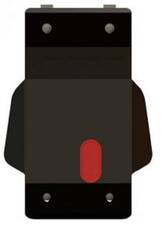
• Protective plate against stone chips for Suzuki Vitara 2018 model year vehicles
• Material: steel
• Curved technology
• Thickness: 2 mm
• Weight: 4.6 kg
• Quick and easy to install
Special gross price: 107.92€ (Net price: 84.97€)

Engine protection plate for the oil sump and lower engine area
An engine protection plate is a metal cover installed underneath the vehicle. Its primary purpose is to protect the oil sump and the lower section of the engine from mechanical damage that may occur during everyday driving. A plastic splash guard mainly keeps dirt away, while a steel or aluminium lower engine cover forms a physical barrier between the engine and the road surface.
Which road hazards can a sump guard protect against?
A sump guard helps protect the lower parts of the vehicle during urban, motorway, and off-road use. It can be particularly important when the vehicle has limited ground clearance and the oil sump or lower engine area is positioned close to the road surface.
- Potholes and raised asphalt surfaces.
- High kerbs and speed bumps.
- Winter ice ridges and hardened mud debris.
- Loose stones, mud, and salty road spray.
When selecting suitable protection, the vehicle model, engine version, and operating conditions must also be checked.
Steel and aluminium engine protection plates
The category includes steel and aluminium engine protection plates. Pressed steel plates are available in thicknesses from 1.8 to 2.5 mm, while bent steel plates are available in thicknesses from 2 to 3 mm. Aluminium versions are manufactured in thicknesses of 3 or 5 mm. The material and thickness should always be checked in the technical data of the version designed for the specific vehicle.
How should the appropriate plate thickness be selected?
For passenger cars, a 1.8 mm pressed steel version or a 2 mm bent steel version is common. A 2 mm engine protection plate generally weighs between 8 and 14 kg. A thicker plate also has a greater weight, so selection should not be based on thickness alone. The construction, material, and vehicle mounting points must also be considered.
Some off-road vehicles are compatible with several materials and plate thicknesses. In such cases, selection should be based on the intended use and the versions documented for the specific vehicle.
Vehicle-specific engine protection without drilling
The dimensions and mounting points of a vehicle-specific engine protection plate are matched to the design of the particular vehicle. The vehicle does not need to be drilled during installation because the plate can be attached to existing factory mounting holes. Different sizes of bolts, fasteners, and other installation components may be used.
What should be checked when selecting an engine protection plate?
- The exact vehicle make, model, and year of manufacture.
- The engine version and, where required, the transmission type.
- The material and thickness of the protection plate.
- The protected areas, such as the engine or the engine and transmission section.
- The availability of the mounting kit and installation accessories.
- The weight of the plate and the vehicle-specific mounting method.
We recommend identifying the correct lower engine protection plate according to the exact vehicle specifications before ordering.
FAQ and summary
- What is an engine protection plate used for?
It protects the oil sump, the lower part of the engine, and, in some versions, additional vehicle components against mechanical damage. - Which materials are available?
The category includes protection plates made of steel or aluminium. - Does the vehicle need to be drilled?
No. Vehicle-specific plates can be attached to existing factory mounting holes. - Can the same plate be used on every vehicle?
No. The correct version depends on the vehicle model, year of manufacture, and engine version. - Does it replace the plastic splash guard?
A steel or aluminium plate provides mechanical protection in addition to reducing exposure to dirt and road debris.
An engine protection plate is a vehicle-specific underbody protection component that helps protect the oil sump and the surrounding engine area against road damage, obstacles, and loose debris. The material, thickness, mounting method, and exact vehicle version must be checked together during selection.