

- Special Offers
- Transceiver Radio
- Transceiver Accessory
- Antennas
- Antenna Accessory
- Fiber Optics
- Cable
- Connector
- Installation Material
- Installation Tools
- Measuring Equipement
- Body Worn Camera
- Electrosmog
- Telephone
- Baby Monitor
- Fever Thermometer
- Radio Device
- Set-top Boxes
- Personal Protective Equipment
- Motorcycle Helmet Speaker
- Car Equipment
- Vehicle USB Socket
- Automotive Wireless Charger
- Ice Pack
- Cooler Box
- Electric Cooler Bag
- Refrigerator and Freezer
- Seat Heater
- Seat Cooling
- Rear View System
- Reversing Radar
- Car Alarm System
- On-Board Camera
- Camping Tent
- Caravan Roof Window
- Cordless Vacuum Cleaner
- Caravan Air Conditioner
- Small Kitchen Appliance
- RV Kitchen Equipment
- Portable Solar Panel
- Roof Rack
- Steel Kid Plate
- Phone Holder
- Baton Holder
- Voltage Converter
- Dry Cell
- Battery
- Battery Charger
- Emergency Signal
- Amber Signal
- Sound Signal
- Light and Sound Signal Accessory
- Traffic Engineering
- LED Lamp
- Smart Home
- Mosquito Repellent Device
- Market - Other Products
- Discontinued Products
Pre-order (0)
Baton Holder
A baton holder supports the organised carrying of a baton on a belt or duty belt. Its purpose is to keep the baton stable when it is not in use while allowing easy access when required. It can be used in duty, security, training, and instructional environments where consistent equipment placement and less restrictive carrying are important. Read more...
Pre-order (0)
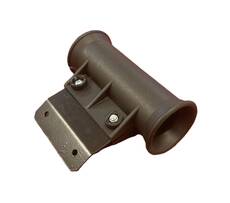
• Used to secure T-shaped police or martial arts tonfas
• Secure and quick access even in a vehicle
• Prevents the tonfa from falling or getting in the way
• Typical mounting locations: side of the dashboard; inside of the door; next to the seat/on the console; in the trunk for equipment


Baton holder for duty and training use
A baton holder provides a dedicated position for carrying a baton as part of duty or tactical equipment. When attached to a belt, it helps prevent the baton from moving freely alongside the other equipment and reduces the need for frequent adjustment during use.
The holder can be used during law enforcement and security duties, patrol work, access control, or site protection. During training and instruction, it supports baton storage between practical exercises.
How does a belt-mounted baton holder support organised carrying?
The belt-mounted design allows the baton to be positioned at a defined point on the wearer's equipment. Organised placement reduces unnecessary sliding, swinging, and contact with other items carried on the belt.
The holder should be positioned so that the baton follows the line of the body, does not catch on clothing, and does not restrict natural movement.
Stable retention and quick access
The two main functions of a baton holder are stable retention and support for quick access. The baton remains in the holder while walking, bending, sitting, or moving, while still being removable with a natural motion when required.
Stable positioning can reduce uncontrolled equipment movement during longer duty periods or intensive training. A consistent position also supports practising the removal and replacement of the baton.
In which situations can a baton holder be used?
- During patrol and duty work.
- For access control and site protection tasks.
- As part of security equipment.
- During self-defence and tactical training.
- For instruction and technical practice.
- In situations where organised equipment carrying is important.
The aim of correct positioning is to keep the baton easily accessible without allowing the holder to interfere with movement or work.
What should be checked when selecting a baton holder?
- Whether it can be attached to a belt or duty belt.
- Whether it keeps the baton in a stable position.
- Whether it supports quick removal and replacement.
- Whether it can be positioned without catching on clothing.
- Whether it interferes with movement, sitting, or bending.
- Whether it is suitable for the intended duty or training environment.
We recommend determining the position of the holder together with the complete duty-belt layout so that the baton remains organised and easy to handle.
FAQ and summary
- What is a baton holder used for?
It supports the stable and organised carrying of a baton on a belt or duty belt. - In which environments can it be used?
During duty, security, instruction, and training activities. - Why is stable retention important?
It helps reduce sliding, swinging, and contact between the baton and other equipment. - Does it support quick access?
Yes, its purpose is to keep the baton stable while allowing easy removal. - How should it be positioned?
It should follow the line of the body, avoid catching on clothing, and not restrict natural movement.
A baton holder is an accessory for organised duty or training equipment. When attached to a belt, it provides a stable position for the baton, reduces unnecessary movement, and supports consistent access. During selection, the attachment method, position, and intended use should be considered together.