

- Special Offers
- Transceiver Radio
- Transceiver Accessory
- Antennas
- Antenna Accessory
- Fiber Optics
- Cable
- Connector
- Installation Material
- Installation Tools
- Measuring Equipement
- Body Worn Camera
- Electrosmog
- Telephone
- Baby Monitor
- Fever Thermometer
- Radio Device
- Set-top Boxes
- Personal Protective Equipment
- Motorcycle Helmet Speaker
- Car Equipment
- Voltage Converter
- Dry Cell
- Battery
- Battery Charger
- Emergency Signal
- Amber Signal
- Sound Signal
- Light and Sound Signal Accessory
- Traffic Engineering
- LED Lamp
- Smart Home
- Mosquito Repellent Device
- Market - Other Products
- Discontinued Products
Panorama Antennas LPAM-BC3G-26-XSP 2x2 MiMo Antenna LTE
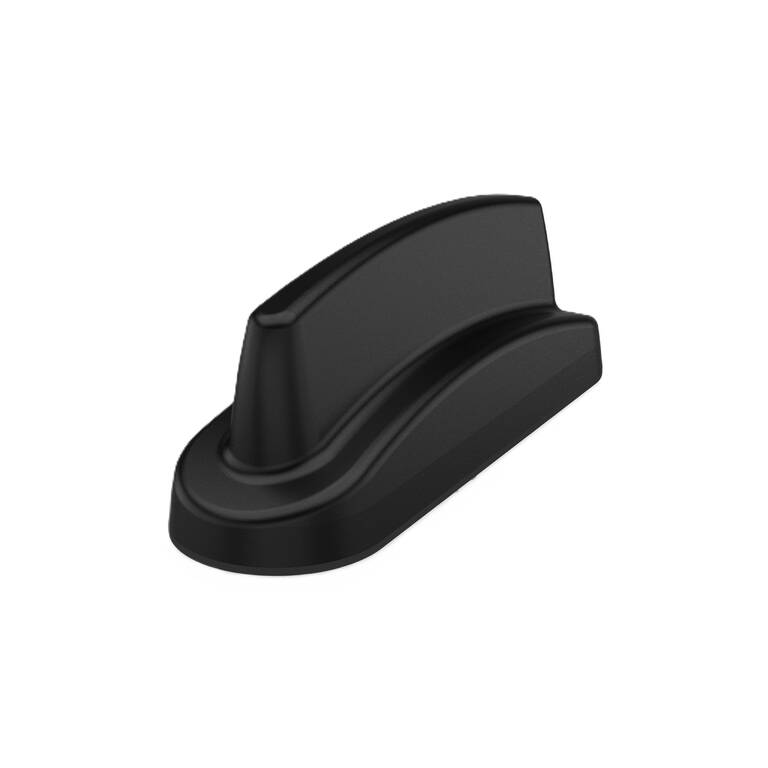
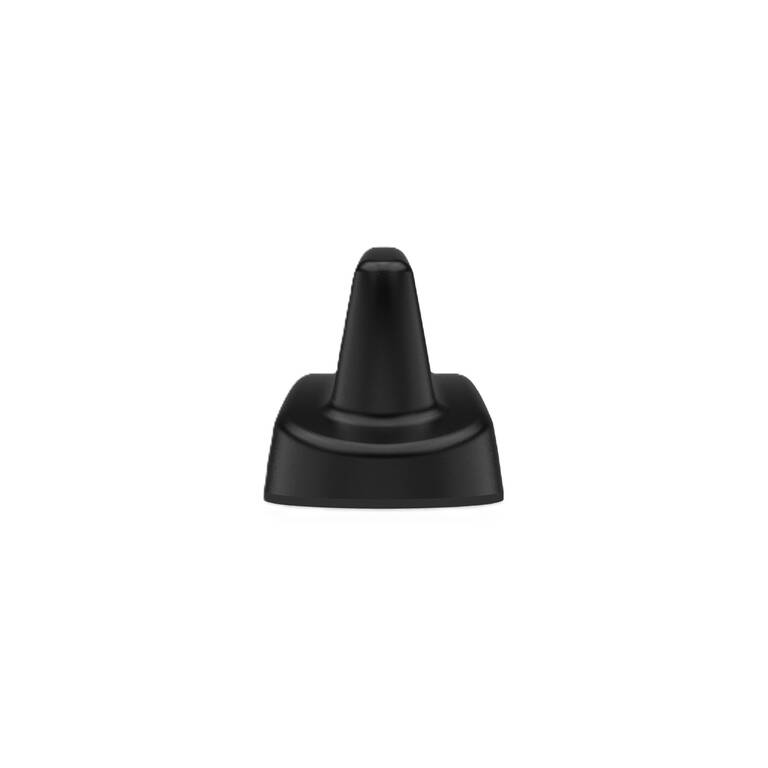
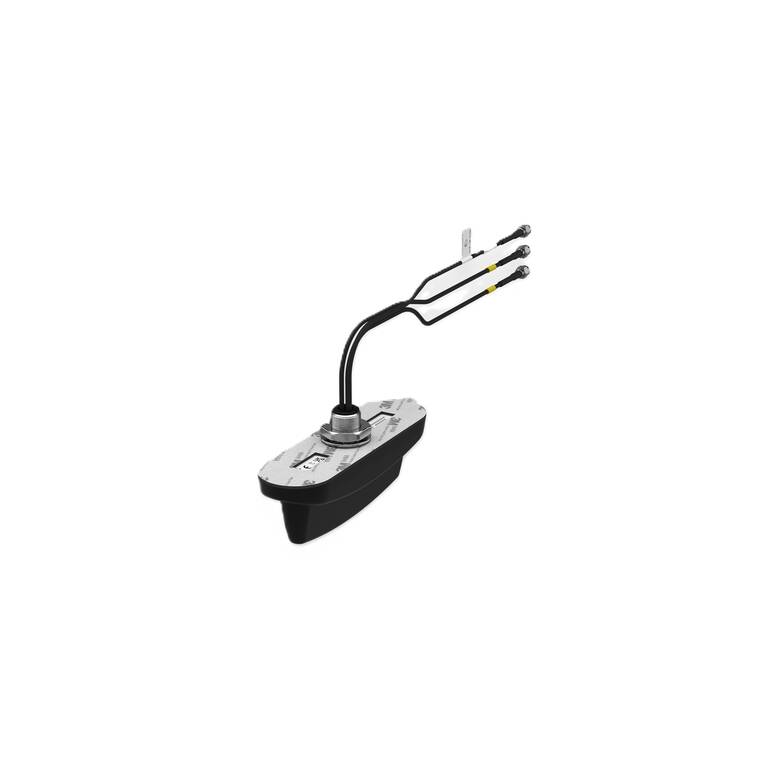
Key features of Panorama Antennas LPAM-BC3G-26-XSP 2x2 MiMo Antenna LTE
• 2x2 MiMo cellular antenna for M2M and IoT applications
• Frequency range: 698-960 / 1710-3800 MHz
• Peak gain: 1.5 / 4.5 / 5 dBi, depending on frequency band
• Omnidirectional radiation pattern, 50 ohm nominal impedance
• IP66 rated, UV-stable ABS plastic housing, black
• Dimensions: 150 x 45 x 49 mm
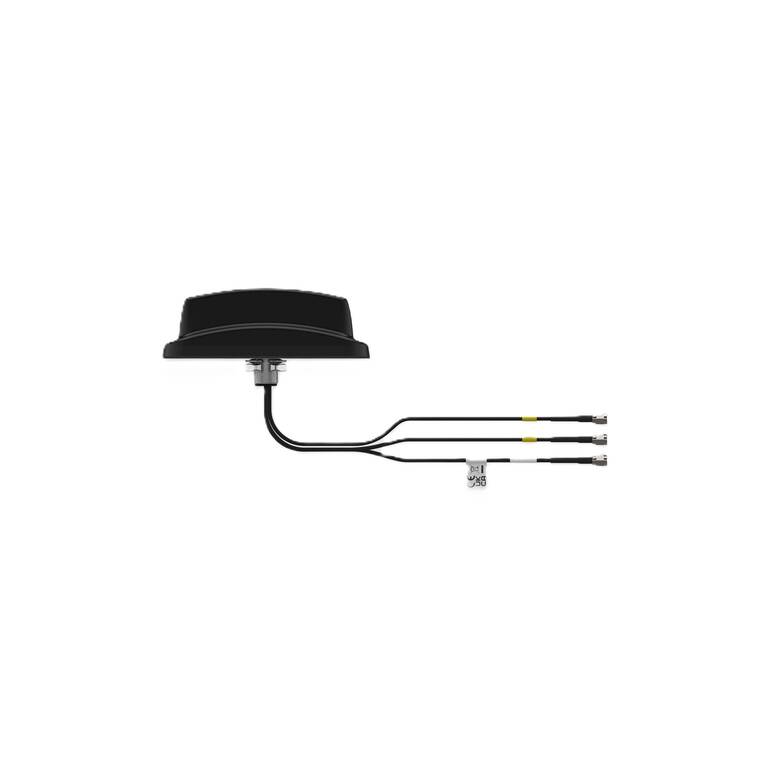
• 2 integrated, available in different lengths (1 or 3 metres) RG174 coaxial cables with SMA plugs

Further details of Panorama Antennas LPAM-BC3G-26-XSP 2x2 MiMo Antenna LTE
The Panorama LPAM-BC3G-26-XSP is a low-profile 2x2 MiMo cellular antenna designed for M2M and IoT applications. Its compact, weatherproof housing contains two antenna elements operating in the 698-960 MHz and 1710-3800 MHz frequency ranges. The antenna is designed for 2G, 3G, 4G/LTE and 3.5 GHz 5G frequency bands and features integrated coaxial cables with SMA connectors.
Panorama LPAM-BC3G-26-XSP MiMo Antenna Features
• 2x2 MiMo cellular antenna
• Two antenna elements for cellular and LTE connections
• Designed for M2M and IoT applications
• Compact, low-profile design
• Robust, weatherproof housing
• Effective isolation and correlation between the two antenna elements
• Omnidirectional radiation pattern
• Suitable for mounting on non-conductive surfaces
• Single-hole panel mounting
• Acrylic adhesive sealing pad
• Two integrated coaxial cables with SMA plugs
The two antenna elements provide MiMo functionality. Antenna performance may vary depending on the mounting surface and installation position.
LPAM-BC3G-26-XSP Electrical Specifications
• Frequency range, elements 1 and 2: 698-960 MHz
• Frequency range, elements 1 and 2: 1710-3800 MHz
• Peak isotropic gain, 698-960 MHz: 1.5 dBi
• Peak isotropic gain, 1710-2170 MHz: 4.5 dBi
• Peak isotropic gain, 2500-3800 MHz: 5 dBi
• Radiation pattern: omnidirectional
• Nominal impedance: 50 ohms
• Maximum input power: 20 W
The specified peak gain values are based on simulations with a ground plane and exclude cable attenuation.
Panorama LPAM-BC3G-26-XSP Mechanical Specifications
• Length: 150 mm
• Width: 45 mm
• Height: 49 mm
• Housing material: UV-stable ABS plastic
• Colour: black
• Typical weight: 337 g
• Ingress protection: IP66
• Operating temperature: -30 to +70 degrees C
LPAM-BC3G-26-XSP Cables and Connectors
• Number of antenna elements: 2
• Cable type: RG174 coaxial cable
• Number of cables: 2
• Cable length: available in different lengths (1 or 3 metres)
• Cable diameter: 2.8 mm
• Connectors: 2 SMA plugs
• GPS/GNSS antenna element: not included
The integrated SMA plug cables provide direct connectivity with many different terminals. If the connected equipment uses a different connector type, a suitable adapter or connector replacement is required.
Panorama LPAM-BC3G-26-XSP Mounting and Installation
• Mounting: threaded mounting bush and acrylic adhesive sealing pad
• Mounting bush: M18 x 1
• Required mounting hole diameter: 19 mm
• Recommended tightening torque: 5 Nm
• Maximum tightening torque: 5 Nm
• Recommended installation temperature: above 10 degrees C
• Ideal adhesive pad bonding temperature: 21-37 degrees C
• Recommended clearance from other antennas and roof-mounted equipment: at least 30 cm
• A conductive ground plane is not required for operation
Before installation, check the available clearance beneath the panel and select the mounting position. Protect the panel finish around the mounting location, drill a pilot hole and enlarge it to 19 mm. Remove all burrs and swarf from the mounting area.
Remove the protective backing from the adhesive pad on the underside of the antenna and feed the coaxial cables through the mounting hole. Position the antenna in the correct orientation and apply firm, even downward pressure to secure it to the panel.
When fitting the securing nut, hold the cables centrally. Start the nut on the thread by hand and complete tightening with a spanner, without exceeding 5 Nm.
LPAM-BC3G-26-XSP Cable Routing and Testing
• Route the coaxial cables to the radio equipment
• Avoid routing cables immediately adjacent to existing wiring
• Ensure cables do not interfere with moving components
• When installing in a vehicle, do not route cables in front of airbags
• Check that VSWR is below 3:1 on all antenna feeds in the transmit band
• Connect the cellular/LTE cables to the equipment after testing
Panorama LPAM-BC3G-26-XSP Measurement and Radiation Characteristics
• VSWR characteristics were measured using 3 m of RG174 cable
• VSWR measurements were performed in free space and on a 400 x 400 mm ground plane
• Isolation between antenna elements was measured using 3 m of RG174 cable
• Isolation characteristics were measured in free space and on a 400 x 400 mm ground plane
• 3D radiation patterns are provided at 700, 800, 900, 1800, 2100, 2600 and 3600 MHz
• 3D radiation patterns were simulated using CST Microwave Studio
• The 3D simulations used a 600 x 600 mm ground plane with both antenna elements fed together
• Free-space radiation pattern simulations of the antenna elements exclude cable loss
LPAM-BC3G-26-XSP Safety Requirements
• To comply with FCC RF exposure requirements, maintain a separation distance of at least 20 cm between the antenna and all persons
• Do not operate the transmitter when anyone is within 20 cm of the antenna
• Do not operate the equipment in an explosive atmosphere
• Do not put components in the mouth and keep them away from unsupervised children